Overview
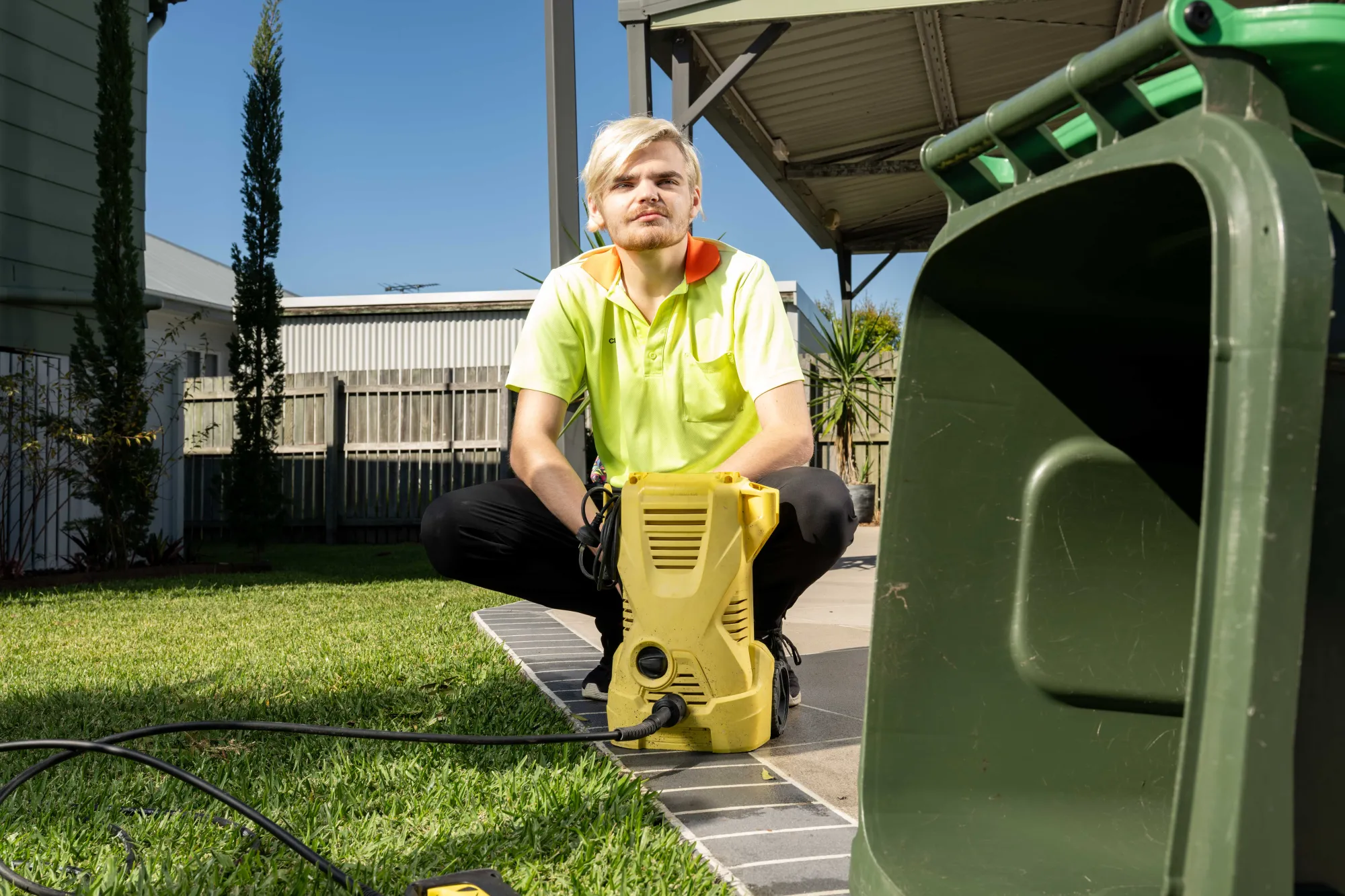
Self-employment means working for yourself instead of working for an employer. It can look different for different people. Some people run a small business as a sole trader, some work as contractors or freelancers, some set up a company and others pick up short-term or flexible jobs through apps or online platforms. For many people with disability, self-employment is a way to use their skills, choose their own hours and build work that fits their life.
Why self-employment?
People with disability are about 43% more likely to be self-employed than other Australians, and they start businesses at higher rates across all disability types. That means the people you work with may already be earning income this way, or may raise it as a goal. Knowing the basics helps you take the idea seriously, ask the right questions and connect people with the support they need, rather than steering them away from a pathway that could work well for them.
People with disability can face the same start-up challenges as anyone else, like a lack of funds. They can also face extra barriers, such as uncertainty about the future, family responsibilities, physical access to workplaces and a lack of confidence.
How these resources can help
This section brings the research and the practical steps together in one place. You will find plain-language guides, short courses, real stories and links to Australian Government programs. Together they help you understand what self-employment involves, work out when someone is ready to start, build the right supports around them, and explain things like business structures, mentoring and income reporting with confidence.
Explore the resources, tools and learning below to build your own knowledge, then share what suits the person so you can support their next step towards self-employment.